12 February, 2026
Goulburn Valley Water is opening its southern irrigation farms to support livestock owners affected by the Longwood fires - agisting 300 cattle from five fire‑impacted farms at no cost.
Goulburn Valley Water has cleared its own cattle and sheep from six farming sites across Seymour, Euroa, Mansfield, Yea, Marysville and Broadford to make room for stock displaced by the January fires.
Managing Director Dr Steve Capewell said the organisation’s decision was driven by an immediate and overwhelming need for assistance as fires tore through farmland, destroying fences, scorching pasture and making it impossible for many farmers to feed or safely contain their breeding stock.
“We’re offering this agistment completely free of charge. Right now our focus is simply helping our community recover, and doing what we can with the land and resources we have.
“We started hearing directly from networks, neighbours and customers during and immediately after the fires. Requests for help came thick and fast.
“We knew we had both the capacity and the responsibility to offer support. Our southern farms had feed available, and making them accessible for agistment was the most practical way we could help,” Dr Capewell said.
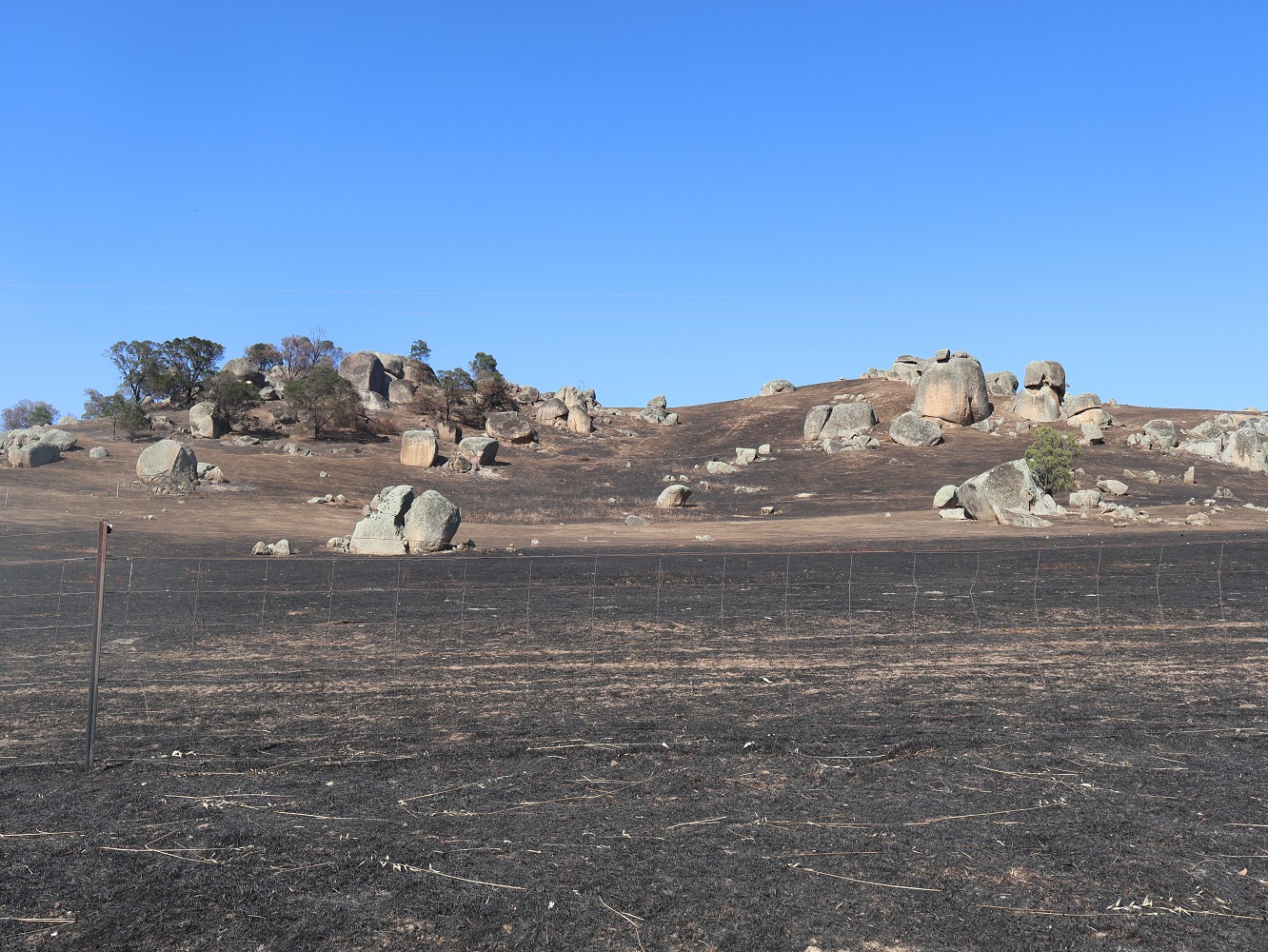
Farmers accessing the program have been coping with widespread damage - destroyed fencing, ash‑covered feed, and limited options for relocating their breeding cattle. Many faced the devastating choice of selling irreplaceable bloodlines had agistment not been found.
The unique program was coordinated by the Goulburn Valley Water farming team, who worked closely with affected farmers and local stock to identify need and allocate space.
“The team did an outstanding job engaging with the community and navigating the logistics. They were asked to clear as much land as possible, and the team moved quickly to make all southern properties available,” Dr Capewell said.
GVW’s farming operations span more than 30 years, originally established to support wastewater irrigation but strengthened in the past decade by a more commercially focused model. That long‑standing capability positioned the corporation to respond quickly after the Longwood fires.
“There aren’t many government organisations with working farm capacity like ours,” Dr Capewell said.
“That’s why we were able to step in immediately and provide a practical solution close to where farmers live, allowing them to check on their cattle daily. We’re providing three to four months of stable ground while they work through insurance, fencing contractors and pasture recovery,” Dr Capewell said.
The organisation is also donating 1000 bales of hay - with feed produced during the 2025 spring now set aside for fire‑recovery use. All farms available for agistment are now at full capacity.
Farmers have expressed deep gratitude for the support, describing the offer as “a lifeline” and “the only way we could keep our breeding herd intact.”
These were the words of one Goulburn Valley farmer, who wished to remain anonymous: “We can’t thank you enough for all of your help and support through these most trying of times. The impact of the fires has been absolutely devastating, destroying hundreds of thousands of hectares and leaving the stock with nothing to eat. Your generosity and prompt support in making agistment available and donating hay has been amazing.”
Though GVW has previously supported communities in various ways, offering large‑scale livestock agistment is new territory.